
Neuropathy

Peripheral Neuropathy: Causes and Treatment Approaches
Peripheral neuropathy is a very common nerve disorder characterized by damage to the peripheral nerves, leading to various sensory and motor problems. Understanding the underlying mechanisms and risk factors associated with this condition can be helpful for effectively managing and improving patient outcomes.

Peripheral Neuropathy
Peripheral neuropathy refers to several different groups of disorders affecting the peripheral nervous system, which is the system of nerves that encompass nerves outside the brain and spinal cord. It can result from different causes, some of which include diabetes, infections, autoimmune diseases, exposure to toxins, and genetic factors. Clinical findings of peripheral neuropathy range from mild numbness and tingling to severe burning type pain, muscle weakness, and loss of coordination. Early diagnosis and appropriate management are keys to improving symptoms and preventing further nerve damage.
Causes of Peripheral Neuropathy After the Procedure
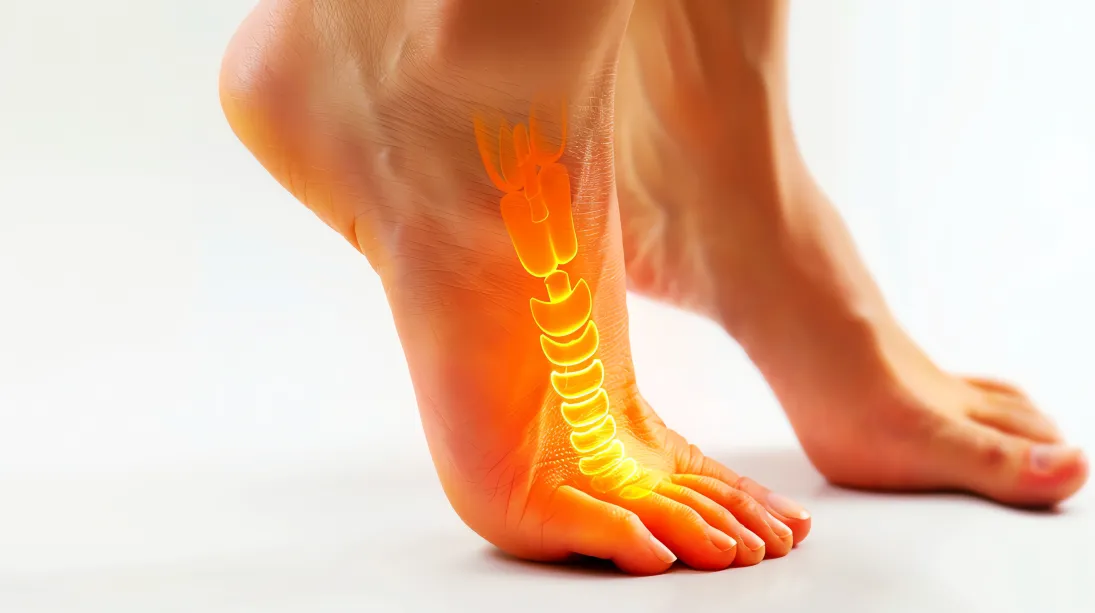
Longstanding hyperglycemia (High sugars) in diabetes can lead to nerve damage, particularly involving the feet and the hands.
Find out if you are a candidate
Symptoms and Diagnosis:
Symptoms of peripheral neuropathy can vary depending on the type and severity of nerve damage. Common symptoms can include:
- Numbness, tingling, or burning sensations
- Sharp or stabbing pain
- Muscle weakness or paralysis
- Loss of coordination and balance
- Sensitivity to touch or temperature changes
- Autonomic dysfunction can cause changes in blood pressure, heart rate, and digestion.
Diagnosis involves getting a thorough medical history from the patient and a complete neurological examination. Also, different diagnostic tests may be needed. These would include nerve conduction studies, electromyography, blood tests, and imaging studies (e.g., MRI) to identify the underlying cause and assess the extent of nerve damage.
Treatment Goals:
Management of peripheral neuropathy strives to relieve symptoms, slow disease progression, and improve the patient’s quality of life. Treatment strategies include:
- Medications: Analgesics, such as nonsteroidal anti-inflammatory drugs (NSAIDs) such as Motrin and Tylenol and painkiller opioids, may be prescribed to help with the pain. Anticonvulsants and antidepressants can also help control neuropathic pain on occasion.
- Physical Therapy: Exercises and rehabilitation programs are focused on improving muscle strength, mobility, balance, and reducing the risk of falls and injuries.
- Lifestyle Modifications: Managing underlying diseases such as diabetes through proper diet, exercise, and medication compliancy can prevent further nerve damage. Avoiding alcohol and not smoking may also be helpful.
- Transcutaneous Electrical Nerve Stimulation (TENS): TENS therapy involves applying electrical stimulation to affected areas to relieve pain and improve nerve function. This is a heating pad like device that can be put on top of the skin.
- Alternative Therapies: Medical Marrijuana, acupuncture, massage, and biofeedback techniques can provide limited symptomatic relief in some cases.
- Other Surgical Intervention: In cases of nerve compression or severe nerve entrapment syndromes, surgical procedures such as decompression or nerve grafting can be helpful.