
Best Treatment for Neuropathy: What Actually Helps Reduce Nerve Pain
If you’re dealing with neuropathy, one of the first questions you’re likely asking is what is the best treatment for neuropathy? The answer depends on the underlying cause, but in most cases, treatment focuses on reducing symptoms, improving nerve function, and slowing progression. Many people are surprised to learn that there isn’t just one treatment—there are multiple approaches that can be combined for better results.
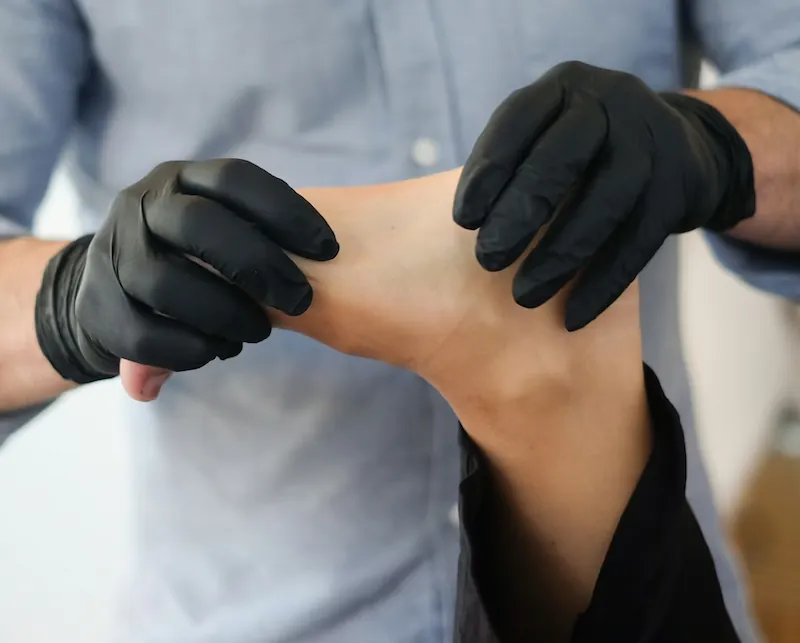
Neuropathy Treatment
The most effective neuropathy treatment starts with identifying and addressing the root cause.
Common underlying causes include:
- Diabetes
- Poor circulation
- Vitamin deficiencies
- Nerve damage from injury or medication
Managing these conditions can help:
- Prevent further nerve damage
- Improve symptoms over time
Learn more about causes:
Causes of neuropathy in feet

Medications for Neuropathy
Medications are often used to manage symptoms, particularly nerve pain.
Common options include:
- Gabapentin
- Pregabalin (Lyrica)
- Antidepressants used for nerve pain
These medications may help reduce discomfort, but they:
- Often require long-term use
- Do not repair nerve damage
- May have side effects
Non-Invasive Treatment Options
Many patients are now exploring non-invasive treatments designed to support nerve health and reduce symptoms.
These may include:
- Nerve stimulation therapies
- Circulation-focused treatments
- Physical therapy and movement-based approaches
The goal of these treatments is to:
- Reduce pain signals
- Improve blood flow
- Stimulate nerve function
Lifestyle and Supportive Treatments
Lifestyle changes can play an important role in managing neuropathy.
These may include:
- Improving diet and nutrition
- Managing blood sugar levels
- Regular physical activity
- Avoiding alcohol or nerve irritants
In some cases, vitamin supplementation—especially B vitamins—may help support nerve health.
Treatment options
If you’re looking for effective neuropathy treatment options, early evaluation is key. Our specialists offer personalized care designed to reduce nerve pain and improve function—without relying solely on medication.
Schedule a consultation today to explore your treatment options.




Why Choose Us
Can Neuropathy Be Reversed
One of the most common questions is whether neuropathy can be reversed. The answer depends on the cause and how early it is treated. Some forms of neuropathy can improve. Others can be stabilized or slowed. Early treatment offers the best chance for improvement
Choosing the Right Treatment Approach
Because neuropathy can have multiple causes, treatment is rarely one-size-fits-all. The best approach typically involves: Identifying the underlying cause. Combining multiple treatment strategies. Monitoring symptoms over time. A personalized plan is often the most effective way to manage neuropathy.
When to Seek Treatment
If you’re experiencing: Persistent numbness or tingling Burning or sharp pain. Symptoms that are getting worse. It’s important to seek evaluation. Delaying treatment can allow nerve damage to progress.